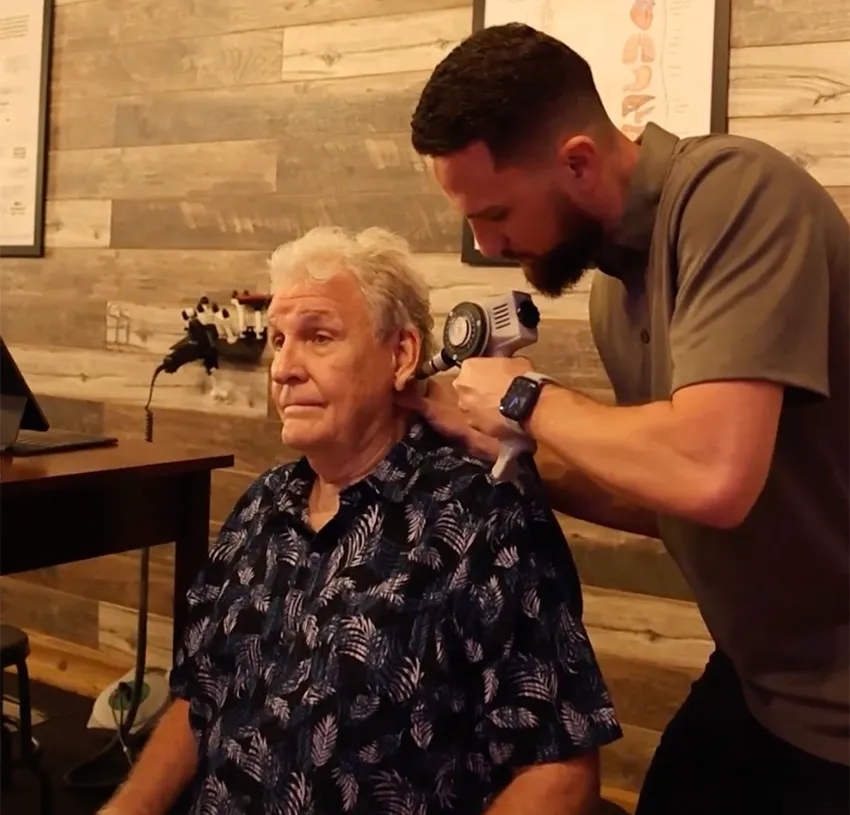
TMJ Treatment in Pompano Beach, FL
At Graceful Pompano Beach Chiropractic, Dr. Michael Cohen works with patients experiencing TMJ pain to understand why jaw symptoms are occurring.
Jaw clicking, tightness, or discomfort is often the body’s signal that the jaw joint or surrounding muscles are under stress. These symptoms may worsen over time when underlying movement or postural issues go unaddressed.
At Graceful Pompano Beach Chiropractic, we complete a thorough evaluation of jaw function, neck mobility, and spinal alignment. Treatment recommendations are based on your findings and focused on reducing joint stress and improving jaw movement.
As Dr. Cohen explains, his exam process includes checking the upper cervical spine and “the temporal mandibular joint, aka the TMJ,” along with how the neck and spine are functioning together.
What Causes TMJ Disorder?
TMJ disorder usually develops from cumulative mechanical stress, not a single incident. Chiropractors consistently observe that jaw symptoms are closely tied to posture, neck mechanics, muscle tension, and movement habits. When these systems stop working together efficiently, the jaw joint may absorb excess strain.
Common contributing factors include:
- Jaw muscle overuse and clenching, often related to stress, grinding, or uneven chewing habits
- Forward head and neck posture, which changes how the jaw sits and moves
- Restricted motion in the cervical spine, particularly the upper neck, affecting jaw coordination
- Previous jaw or neck trauma, such as whiplash or direct impact
- Muscle imbalance or tension, pulling the joint out of optimal movement patterns
These factors often build gradually, with symptoms appearing once compensation limits are reached.
How TMJ Disorder Is Diagnosed
Diagnosis is movement-based and exam-driven, focusing on how the jaw and neck function together. Dr. Cohen notes that his assessment includes hands-on palpation across the upper neck and related areas, including the TMJ, to understand restrictions and where symptoms may be originating.
This typically includes:
- Physical jaw assessment, evaluating range of motion and joint tracking
- Posture and cervical spine evaluation, reflecting the jaw–neck connection
- Neuromuscular assessment, identifying tension or imbalance
- Imaging, only when clinically indicated to rule out structural concerns
Findings help determine whether conservative chiropractic care is appropriate.
Posture Evaluation and Imaging
When imaging is appropriate, it may be used to better understand structural alignment and guide how care is delivered. In this clinic’s model, Dr. Cohen describes using objective data to reduce guesswork and better understand the root cause of symptoms.
Dr. Susan Lee also explains that cone beam CT imaging can provide a clear, three-dimensional view of the cervical spine when clinically indicated for adults, helping the doctor tailor correction angles with precision.
TMJ Treatment Plan
TMJ care follows a structured, conservative progression based on exam findings and response to care.
Step 1: Evaluation
Jaw movement, muscle tension, posture, and cervical mechanics are assessed to identify sources of joint stress.
Step 2: Symptom Reduction
Initial care focuses on reducing joint irritation and muscle overactivity to improve comfort and movement tolerance.
Step 3: Mobility Restoration
Jaw and cervical motion are gradually restored as sensitivity decreases.
Step 4: Functional Support
Postural guidance and corrective exercises help reduce recurring strain during daily activities.
Step 5: Reassessment
Progress is monitored and care adjusted based on symptom response and movement quality.
Care is designed to be conservative and adapted to how your body responds over time. Dr. Lee describes tonal-style chiropractic approaches as “specific and gentle,” often delivered without twisting, cracking, or forceful movement, and adjusted to comfort level.
Dr. Cohen similarly emphasizes a gentle, root-cause approach, using objective re-checks and reassessments over the course of care to confirm progress.
TMJ Treatment for Chronic Jaw Pain
Chronic TMJ pain usually develops from repeated mechanical stress rather than a single injury. Care is directed at reducing long-term strain and improving coordination between the jaw and neck.
Key focus areas include:
- Addressing long-standing posture patterns, such as forward head posture that continually overloads the jaw joint
- Reducing persistent jaw and neck muscle tension, often linked to clenching, grinding, or asymmetrical chewing
- Improving cervical spine mobility, especially when limited neck motion alters jaw mechanics
- Restoring balanced jaw movement, helping the joint open, close, and track more evenly
- Supporting long-term tolerance, so everyday activities like chewing and talking place less stress on the joint
TMJ Patient Case Study
Patient info: Adult patient with ongoing head and jaw-related discomfort, seeking a conservative evaluation.
Symptoms: Jaw discomfort with associated head pressure and recurring headache patterns.
Root cause analysis: Evaluation focused on how the jaw and neck function together. As part of the exam, the clinician assessed upper cervical mechanics and included palpation of the temporomandibular joint (TMJ) to identify restriction patterns and determine whether conservative chiropractic care was appropriate.
Treatment plan: A conservative care plan centered on specific, gentle upper cervical corrections, guided by exam findings and objective reassessment checkpoints.
Outcome or results: The patient reported noticeable symptomatic changes in head pressure and overall comfort after beginning care, with progress tracked over follow-up visits and adjusted based on response.
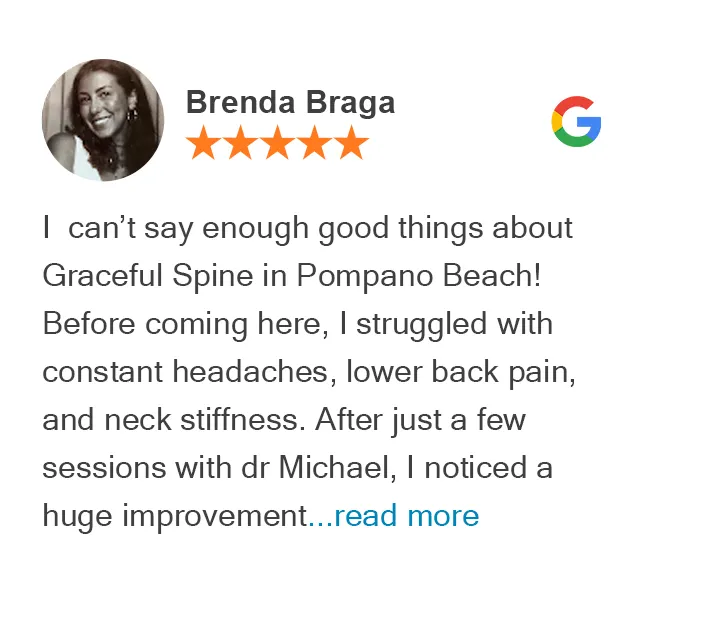
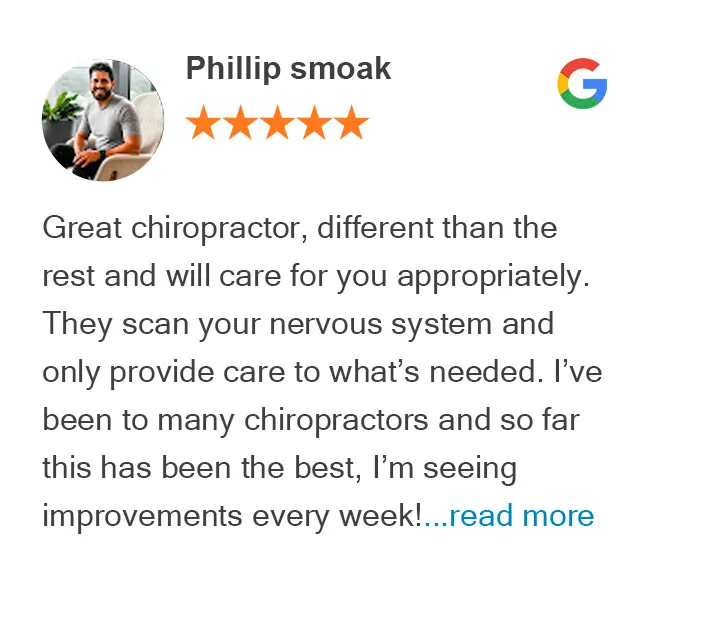
TMJ Patient Testimonials & Reviews






TMJ Treatment Specialists in Pompano Beach, FL
Dr. Michael Cohen treats TMJ-related jaw pain in Pompano Beach, FL with a focus on accurate assessment, conservative techniques, and patient education to support long-term jaw function. He describes a root-cause approach that considers the upper cervical spine, nervous system function, and how structures like the TMJ can be involved in head and neck complaints.
At Graceful Pompano Beach Chiropractic, care emphasizes careful evaluation, objective reassessment, and a welcoming, non-intimidating environment where patients feel informed and supported.
Book Complimentary Consultation for TMJ Treatment in Pompano Beach, FL
If you are dealing with jaw clicking, tightness, headaches, or discomfort with chewing, a focused evaluation can help clarify what is contributing to the strain. We keep the process calm, thorough, and education-led so you understand your findings and next steps.
Please use the booking tool below to book an appointment or by calling us on (561) 264-7010
Why Choose Our Clinic for TMJ Treatment in Pompano Beach, FL
Experienced Chiropractors
Our team uses a doctor-led approach that prioritizes listening, careful evaluation, and clear explanations. Dr. Lee emphasizes education and helping patients understand “how it works, why it works,” so they feel confident in their care plan.
Dr. Sopira also highlights patient education as a major part of her style of care, focusing on clarity and guiding families through overwhelming health information.
Evidence-Based TMJ Care
We rely on exam findings and objective assessments to guide recommendations and track progress. Dr. Cohen describes using neurological scans and imaging when indicated to reduce guesswork and help identify the root cause driving stress patterns in the body.
Patient-Focused Treatment Approach
Care is conservative and adapted to your comfort level, with reassessment built into the process. Dr. Cohen explains that visits and follow-ups are used to confirm how your body is responding, then adjust the plan based on recovery and movement quality.
What Is TMJ Disorder?
TMJ disorder involves dysfunction of the temporomandibular joint, the hinge that connects the jaw to the skull. This joint works in coordination with the cervical spine, facial muscles, and nervous system. When movement, alignment, or muscle balance is disrupted, the joint can become irritated, restricted, or painful over time.
Understanding TMJ vs. TMD
TMJ refers to the joint itself, while TMD (temporomandibular disorder) is a broader term describing conditions that affect the joint, surrounding muscles, and jaw movement patterns. In clinical practice, both terms are commonly used to describe jaw-related pain, clicking, or limited motion.
Common Symptoms of TMJ Disorder
Jaw Pain and Clicking Sounds
TMJ symptoms can vary in intensity and location, depending on which structures are involved. Jaw pain, tightness, or clicking with opening or chewing can be a signal that the joint and supporting muscles are under strain.
Headaches, Ear Pain, and Facial Pain
Some patients experience headaches, ear discomfort, or facial pain patterns that overlap with jaw strain. In Dr. Cohen’s clinical exam process for head and neck complaints, he includes assessment of the TMJ as part of understanding the full picture.
Jaw Locking and Difficulty Chewing
Symptoms can include jaw locking or difficulty opening the mouth fully, and discomfort that increases with stress, talking, or eating. Symptoms may fluctuate and are often influenced by posture and daily habits.
Chiropractic Techniques Used for TMJ Treatment
Jaw and Cervical Spine Adjustments
Care is individualized and may include jaw and cervical spine mobilization or adjustments to improve coordination between the jaw and upper neck. Dr. Cohen notes that precision in upper cervical correction matters, and adjustments may be delivered by hand or with a specific instrument when clinically appropriate.
Soft Tissue and Muscle Therapy
Some care plans may include conservative support aimed at reducing jaw and neck muscle tension, based on what the exam shows and how the patient tolerates care.
Postural and Lifestyle Corrections
Postural and lifestyle guidance may be included to help reduce recurring strain during daily habits like desk work, clenching, and repetitive jaw loading. The goal is to support long-term balance, not just short-term symptom management.
TMJ Treatment FAQs
Can TMJ disorder go away on its own?
Mild TMJ symptoms may improve if the contributing stress is temporary. However, when jaw pain is linked to posture changes, muscle imbalance, or neck involvement, symptoms often persist or recur without addressing those underlying factors.
What Results Can You Expect from TMJ Treatment?
Results vary based on how long symptoms have been present and what factors are involved. Many patients notice reduced jaw tension or improved movement first, followed by fewer headaches, less clicking, and better comfort with daily activities over time.
How long does TMJ treatment take?
TMJ treatment timelines differ. Some patients respond within a few weeks, while chronic or long-standing cases may require a longer period of care. Progress is guided by symptom response and movement improvement rather than a fixed schedule.
Can chiropractic care replace a mouth guard?
Chiropractic care and mouth guards serve different purposes. Chiropractic treatment addresses jaw, neck, and movement mechanics, while mouth guards help manage tooth wear or nighttime clenching. Some patients use both, depending on their situation.
Is TMJ treatment painful?
TMJ treatment is generally gentle and adapted to comfort levels. Techniques are chosen to reduce joint and muscle strain rather than force movement, and care is adjusted if sensitivity is present.
Do I need imaging before starting TMJ treatment?
Imaging is not always required. A physical exam and movement assessment are often sufficient to begin care. Imaging may be recommended if exam findings suggest structural concerns or if symptoms are not responding as expected.
Is TMJ Treatment Safe?
TMJ treatment uses conservative, non-invasive techniques tailored to the individual. Ongoing reassessment ensures care remains appropriate as symptoms and tolerance change.
How TMJ Disorder Affects Daily Life
TMJ dysfunction often impacts more than just the jaw. Ongoing joint and muscle strain can affect daily function in several ways:
- Difficulty chewing or prolonged eating, especially with tougher foods
- Jaw fatigue or soreness with talking, presentations, or phone use
- Disrupted sleep, often due to nighttime clenching or jaw tension
- Headaches or facial pressure, linked to jaw and upper neck strain
- Neck stiffness and reduced concentration, especially during desk or screen work
These effects often compound over time, making early evaluation important.
When Should You Seek TMJ Treatment?
Consider evaluation if jaw pain, clicking, locking, headaches, or facial tension persist, worsen, or interfere with eating, speaking, sleep, or daily activities.
Content Reviewed by