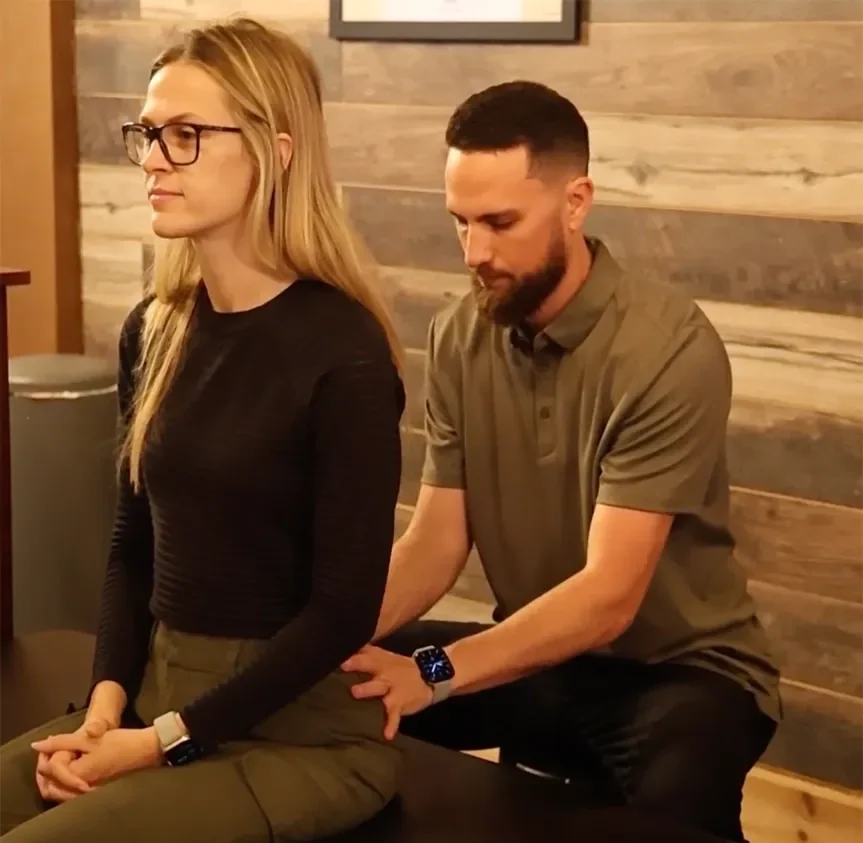
Spinal Decompression Treatment in Pompano Beach, FL
Spinal decompression is a non-surgical chiropractic therapy that may be considered for certain disc and nerve-related spine conditions. At Graceful Pompano Beach Chiropractic, spinal decompression is approached carefully and conservatively, under the guidance of Dr. Michael Cohen, DC.
Decompression is never the first step for every patient. In this clinic, spinal alignment, nervous system function, and stability are addressed first. When appropriate, decompression may be used to help reduce pressure on spinal discs and irritated nerves, supporting the body’s natural healing process without surgery or injections.
A consultation helps determine whether spinal decompression is appropriate for your condition and overall spinal health.
Call (561) 264-7010 to schedule your complimentary consultation.
What Causes Spinal Disc & Nerve Compression?
Spinal compression often develops over time rather than from a single injury. Common contributing factors include:
• Disc bulges or herniations that place pressure on nearby nerves
• Degenerative disc changes that reduce disc height and flexibility
• Repetitive strain, poor posture, or prolonged sitting
• Previous injuries that altered spinal alignment
• Chronic inflammation around spinal joints and discs
When discs lose hydration or shift out of position, nearby nerves can become irritated. This may lead to back pain, neck pain, sciatica, or radiating arm or leg symptoms. Identifying why compression is occurring is essential before considering decompression therapy.
How Do We Diagnose the Root Cause of Spinal Compression?
Diagnosis begins with a detailed conversation about your symptoms, history, and daily activities. Dr. Cohen then performs a focused spinal and neurological examination to assess movement, posture, and nerve function.
When appropriate, imaging such as X-rays or existing MRI studies are reviewed to confirm disc or nerve involvement. Neurological testing may also be used to better understand how the nervous system is responding to compression.
This step is critical. Spinal decompression is only considered after confirming that disc compression is the primary issue and that the spine is stable enough to respond safely.
Spinal Decompression Treatment Plan
Treatment plans are individualized and never rushed. Care typically follows this sequence:
• Correcting spinal alignment and stability through chiropractic care
• Re-evaluating response and determining candidacy for decompression
• Introducing decompression gradually when appropriate
Decompression sessions involve lying comfortably on a specialized table with a supportive harness. The system applies gentle stretch and relaxation cycles designed to reduce disc pressure.
• Sessions are short and controlled
• Frequency is adjusted based on response
• Chiropractic adjustments or supportive care may be used alongside decompression
There is no preset number of visits. Progress determines the plan.
Spinal Decompression Patient Case Studies
Patient profile: Middle-aged adult with a physically demanding job.
Primary concern: Chronic low-back pain with leg symptoms linked to a disc herniation. Surgery had been suggested elsewhere.
Evaluation & plan: Spinal alignment was addressed first through chiropractic adjustments. Once stability improved, decompression was introduced conservatively as part of a broader care plan.
Progress noted: Over several weeks, the patient reported reduced leg pain, improved walking tolerance, and better sleep quality.
Home guidance included:
• Staying well hydrated
• Gentle daily walking
• Avoiding heavy lifting immediately after sessions
• Maintaining proper sitting posture
Individual results vary. This example is shared for educational purposes.
Spinal Decompression Patient Testimonials & Reviews





Doctor Experience in Treating Disc & Nerve Compression
Spinal decompression care at Graceful Pompano Beach Chiropractic is led by Dr. Michael Cohen, DC, who has extensive experience evaluating and treating disc- and nerve-related spine conditions.
Dr. Cohen’s approach emphasizes:
- Accurate diagnosis before treatment
- Correcting spinal alignment first
- Conservative use of decompression only when appropriate
- Clear communication and realistic expectations
This philosophy helps ensure decompression is used safely, selectively, and effectively.
Book An Appointment | Spinal Decompression Treatment
If you are exploring non-surgical spinal decompression in Pompano Beach, a consultation can help determine whether it is appropriate for your condition.
Call (561) 264-7010 to schedule your visit our use the booking tool below:
Spinal Decompression Patient FAQs
What is spinal decompression therapy?
Spinal decompression is a non-surgical treatment that gently stretches the spine to reduce pressure on discs and nerves.
How does spinal decompression work on the spine?
It uses controlled stretch-and-release cycles to lower disc pressure and support disc hydration.
What are the early signs of spinal disc compression?
Stiffness, localized back or neck pain, or intermittent tingling can be early signs.
What symptoms suggest nerve compression or disc herniation?
Radiating pain, numbness, tingling, or weakness in the arms or legs may indicate nerve involvement.
Which spinal conditions are commonly treated with decompression?
Disc bulges, herniations, degenerative disc changes, and some cases of sciatica or chronic back pain.
Can spinal decompression be done without surgery?
Yes. Decompression is a non-surgical option considered for certain patients.
Can chiropractic care help with disc bulges or herniated discs?
Chiropractic care may help improve alignment and reduce nerve irritation, sometimes alongside decompression.
What chiropractic techniques are used alongside spinal decompression?
Gentle adjustments, stabilization care, and supportive therapies when appropriate.
Does spinal decompression help reduce back pain and sciatica?
Some patients experience relief, though results vary.
How long does spinal decompression treatment take?
Timelines vary based on severity and response. There are no guaranteed schedules.
Is spinal decompression painful or uncomfortable?
Most patients find it comfortable. Care is adjusted for tolerance.
Do I need imaging before starting spinal decompression treatment?
Imaging is often reviewed to confirm disc involvement before decompression is considered.
What results can you expect from spinal decompression therapy?
Results vary. Goals focus on reducing pressure and improving function, not guarantees.
When should you seek care for disc or nerve compression?
If pain, numbness, or weakness persists or worsens, evaluation is recommended.
What lifestyle changes support spinal decompression results?
Good posture, hydration, movement, and avoiding excessive strain support results.
Is spinal decompression safe for older adults?
It may be appropriate for some older adults after proper screening.
What is Spinal decompression ?
Spinal decompression therapy is a non-surgical approach designed to gently reduce pressure on the spine. It works by applying controlled stretching forces that create space between spinal joints and discs. This can help decrease stress on irritated nerves and support disc hydration over time.
Dr. Cohen explains that decompression is most helpful when it is done thoughtfully and for the right patient. It is often discussed for people with lumbar or cervical disc bulges, herniations, sciatica, or chronic back and neck pain that has not improved with rest alone. Unlike basic traction or inversion tables, spinal decompression is controlled and adjusted to the individual’s body and comfort.
Importantly, decompression is not automatically recommended. In many cases, spinal alignment and stability must be addressed first so the spine is in the best position to respond safely to decompression.
What is Spinal Decompression Treatment?
Spinal decompression uses a specialized table or device that gently applies and releases traction in cycles. These cycles are designed to lower pressure within the disc space, sometimes described as creating a mild “negative pressure” environment. This may allow bulging disc material to move away from irritated nerves and support the flow of fluids and nutrients into the disc.
The treatment is non-invasive and very different from surgery. Patients remain fully clothed and lie comfortably on the table while the system alternates between gentle pulling and relaxation phases. There is no cutting, injections, or anesthesia involved.
Dr. Cohen often emphasizes that decompression is only effective when used appropriately. If the spine is not properly aligned first, decompression may offer limited benefit or even aggravate symptoms
Content Reviewed by