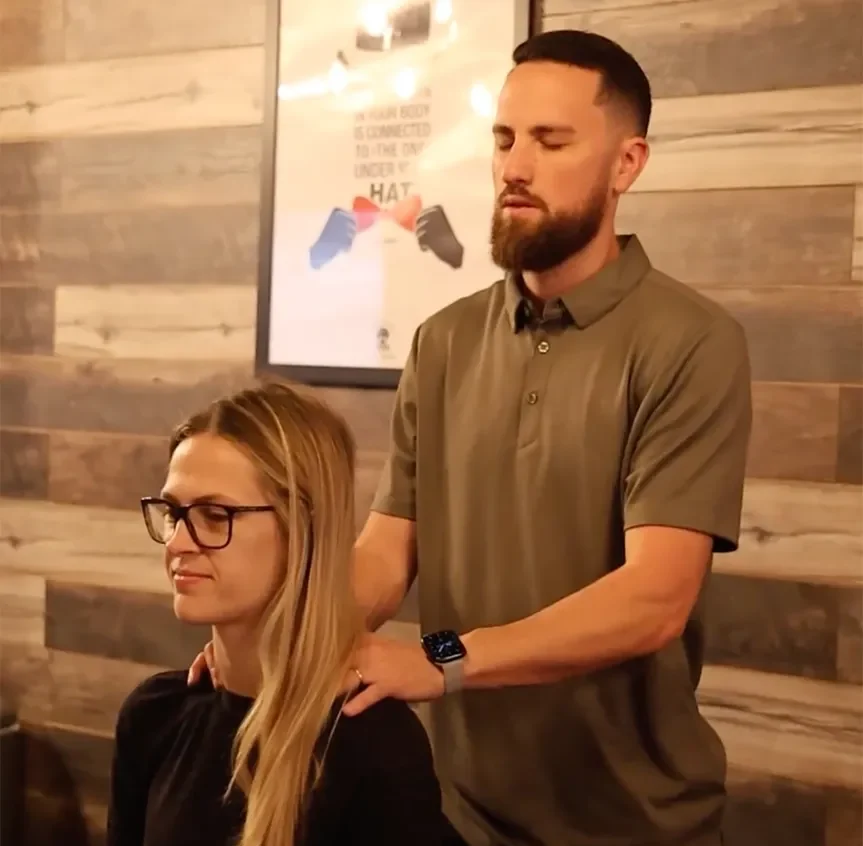
Shoulder Pain Treatment in Pompano Beach
Many patients come to us after weeks or months of shoulder pain that slowly worsened. If you are unsure whether your shoulder pain is coming from an injury, posture, or nerve involvement, you are not alone. Shoulder pain can feel confusing, especially when movement becomes restricted or irritated even without a clear injury.
Dr. Michael Cohen has treated many patients in Pompano Beach with shoulder pain related to movement issues, nerve irritation, and joint dysfunction. At Graceful Pompano Beach Chiropractic, care focuses on understanding how the shoulder works with the neck, upper back, and arms, not just where the pain is felt. As Dr. Cohen often explains, the goal is to “find the root cause” and reduce the interference that can keep the body from recovering as it should.
Your first visit is centered on listening, careful evaluation, and creating a treatment plan that supports safe, long-term shoulder function.
What are the reasons of Shoulder pain?
Shoulder pain often develops from a combination of joint stress, muscle imbalance, and movement dysfunction. Common reasons include:
- Poor posture or rounded shoulders. This can shift how the shoulder blade and upper spine move, increasing strain over time.
- Repetitive overhead activity. Repeating the same motion can irritate tissues and make movement feel restricted.
- Muscle strain or tendon irritation. Overload or sudden effort can trigger soreness and protective tightness.
- Joint restriction in the shoulder or upper spine. When joints do not glide well, the shoulder often compensates and becomes painful.
- Nerve irritation from the neck. Shoulder and arm symptoms can be influenced by the neck and upper back.
- Sudden lifting or twisting movements. A quick change in force can flare pain even if the shoulder seemed “fine” before.
- Previous injuries. Old injuries can leave compensation patterns that show up later.
- Age-related wear. Natural changes can reduce tolerance to stress, especially if posture and movement are limited.
In many cases, shoulder pain is influenced by how the neck and upper back move.
Types of Shoulder Pain We Treat
Some patients experience shoulder pain linked to less obvious conditions, such as:
- Frozen shoulder or adhesive capsulitis. Stiffness can build gradually and make daily tasks feel surprisingly hard.
- Shoulder impingement patterns. Certain motions can pinch sensitive tissues and trigger sharp discomfort.
- Rotator cuff strain or irritation. Tendon irritation can affect lifting, reaching, and sleeping positions.
- Shoulder pain related to neck nerve involvement. Symptoms can travel into the arm when nerve irritation is part of the picture.
- Postural shoulder instability. Poor control and endurance can make the shoulder feel “off” or easily irritated.
- Pain following prior injury or surgery. Past changes can influence mobility, strength, and movement confidence.
These conditions often require a more detailed evaluation.
Uncommon Shoulder Conditions We Also Treat
Shoulder pain can present in different ways depending on the cause. Common types include:
- Pain when lifting the arm. This often signals that specific movement mechanics need to be assessed.
- Pain reaching overhead or behind the back. These positions can reveal mobility limits or compensation patterns.
- Shoulder stiffness or reduced mobility. Stiffness helps guide where function has been lost.
- Pain that travels into the arm. Radiating symptoms may suggest nerve irritation or referral patterns.
- Weakness or fatigue in the shoulder. Reduced endurance can develop when the body is guarding or compensating.
- Night pain or discomfort while sleeping. Sleep positions can stress sensitive tissues and highlight movement restrictions.
Understanding how and when pain occurs helps guide proper care.
How do we diagnose the root cause of the Shoulder pain?
At Graceful Pompano Beach Chiropractic, diagnosis begins with understanding how your shoulder moves and functions. Your evaluation may include:
- Review of symptom history and activities. We listen for patterns, triggers, and what is changing over time.
- Postural assessment. Posture can influence how the shoulder, neck, and upper back share load.
- Shoulder range of motion testing. This shows what motions are limited, painful, or compensating.
- Muscle strength and flexibility evaluation. Imbalances can help explain why certain movements keep flaring.
- Joint movement assessment. Restricted joint motion can increase strain in surrounding tissues.
- Neck and upper back evaluation. Shoulder symptoms often relate to how these areas move and support the arm.
- Neurological screening. We check for signs of nerve irritation that may affect the shoulder or arm.
- Imaging when appropriate. When needed, our team may use advanced imaging to reduce guesswork and improve precision.
Dr. Michael Cohen explains findings clearly so you understand what is contributing to your pain. Dr. Susan Lee also emphasizes that care focuses on function, because when there is interference in the brain-body connection, it can feel like “a traffic jam” in how the body adapts and recovers.
Benefits of Chiropractic Shoulder Pain Treatment
Chiropractic care focuses on improving joint function and reducing mechanical stress. Benefits may include:
- Improved shoulder mobility. Restoring better motion can make daily activities feel easier.
- Reduced muscle tension. When joints move better, the body often stops “bracing” as much.
- Improved coordination between shoulder and neck. The shoulder works best when the upper spine supports it well.
- Better posture support. Posture guidance can reduce repeated strain during work and phone use.
- Reduced strain during daily activities. Simple tasks like reaching and lifting can feel more comfortable with better mechanics.
• Support for long-term joint health. Conservative care aims to protect movement quality over time.
Care is individualized and adjusted based on comfort and progress.
Shoulder Pain Treatment Plan
Each shoulder pain treatment plan is customized based on exam findings and functional needs. Treatment may include:
- Gentle joint adjustments when appropriate. Our doctors use a precise, gentle approach to support alignment and nervous system function.
- Techniques to improve shoulder and upper spine movement. Improving how the neck and upper back move can reduce strain on the shoulder.
- Soft tissue support for surrounding muscles. When supported by your case, we address tension patterns that limit motion.
- Postural and ergonomic guidance. Small changes at work and at home can lower repeated stress on the shoulder.
- Movement and activity recommendations. We guide safer ways to move while the shoulder calms down.
- Stretching and strengthening support. When appropriate, we may recommend simple corrective and rehabilitative exercises to support recovery.
The goal is to restore balanced movement and protect the shoulder during recovery. As Dr. Julia Sopira explains, when there is “a kink in the hose,” function drops, so care focuses on removing that interference so your body can heal in a more natural, medication-free way.
Shoulder Pain Patient Case Study
Patient info: A man in his 50s was referred by his massage therapist and came in primarily for a shoulder issue.
Symptoms: Shoulder discomfort that affected movement. He did not initially mention long-standing back pain.
Root cause analysis: Care focused on assessing overall spinal function because shoulder mechanics are influenced by the spine, posture, and how the body compensates.
Treatment plan: He received chiropractic care with attention to his shoulder, along with comprehensive spinal adjustments to support better overall movement.
Outcome, results: By his third visit, he reported his shoulder was feeling better. He also shared that his back pain was “practically gone,” even though he had lived with it for about 15 years and previously used a sauna mainly for pain relief.
Shoulder Pain Patient Testimonials & Reviews


Shoulder Pain Treatment Specialists in Pompano Beach
Dr. Michael Cohen has experience treating a wide range of shoulder pain conditions in Pompano Beach. At Graceful Pompano Beach Chiropractic, care focuses on accurate diagnosis, patient education, and conservative treatment. Dr. Cohen works closely with patients to support safe recovery and long-term shoulder health, with a consistent emphasis on finding the “root cause” and supporting the body’s ability to heal from the inside out.
You are also supported by Dr. Susan Lee and Dr. Julia Sopira who shares this gentle, neurologically focused approach.
Book An Appointment
Please use the booking tool below to book an appointment or by calling us on (561) 264-7010
Can chiropractic help frozen shoulder or severe stiffness?
Chiropractic care can support joint mobility and surrounding movement patterns, especially when stiffness limits daily activity. Care is often focused on improving how the shoulder works with the upper back and neck, since these areas can influence motion.
Can a chiropractor help a pinched nerve in my shoulder?
Shoulder pain related to nerve irritation often involves the neck or upper spine. Chiropractic care addresses these contributing areas, and our doctors may evaluate for signs that the nervous system is being irritated or restricted.
Should I see a doctor or chiropractor for shoulder pain?
Evaluation is recommended when pain persists, movement is limited, or daily activities are affected. Chiropractic care focuses on conservative treatment and movement assessment, and we also consider when referral is appropriate if your presentation suggests something outside conservative care.
What Causes Shoulder Pain to Worsen Over Time?
Poor posture, limited movement, and compensation patterns can increase strain if left unaddressed. Over time, small daily stresses can add up, especially with long hours of sitting and reduced movement.
Home remedies for Shoulder Pain treatment
Home care can help manage symptoms between visits:
- Rest from aggravating movements. Avoid the motions that clearly flare pain while the shoulder calms down.
- Ice or heat as tolerated. Use whichever feels better for comfort and stiffness.
- Gentle shoulder stretching. Light, pain-free movement can help maintain mobility.
- Posture awareness during sitting and standing. Keeping the shoulder and upper back supported can reduce repeated strain.
- Avoid heavy lifting during flare-ups. Reducing load helps prevent setbacks while tissues are irritated.
Home care supports comfort but does not address underlying mechanics.
What is the most common cause of Shoulder Pain?
One of the most common causes is movement dysfunction combined with muscle imbalance and postural stress. When the shoulder, neck, and upper back are not working together well, the shoulder often takes on more stress than it should.
What if I have had shoulder surgery already?
Post-surgical shoulder pain or stiffness can often be supported with gentle care focused on mobility and function, once cleared by your surgeon. The goal is to support safer m
Content Reviewed by