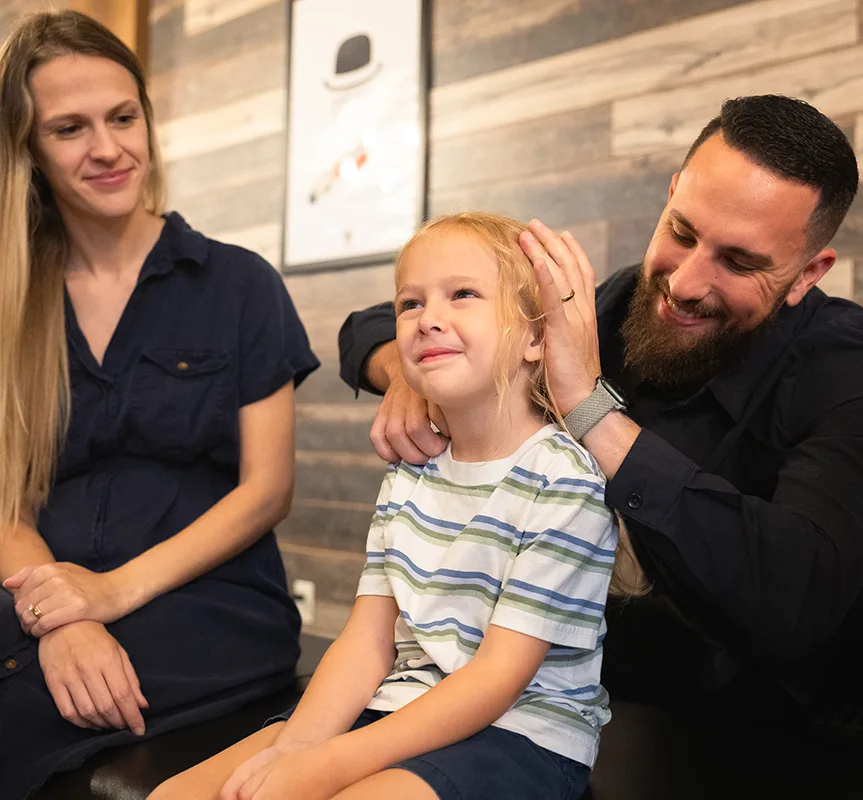
Pediatric Chiropractic Care in Pompano Beach, FL
Children’s bodies are constantly adapting. From birth, their nervous system is learning how to regulate movement, digestion, sleep, and sensory input. Even when a child looks “fine,” stress can quietly build in the spine and nervous system during key developmental stages.
At Graceful Pompano Beach Chiropractic, pediatric care is centered on the nervous system and delivered using extremely gentle, age-appropriate techniques. Our doctors care for newborns, infants, toddlers, children, and teens, always adjusting pressure and approach to match a child’s size, comfort, and stage of growth.
As Dr. Michael Cohen explains, pediatric chiropractic is never about force: “There is no twisting, cracking, or popping on babies or children. The pressure we use is about the same as checking the ripeness of a tomato.”
What Causes Spinal & Nervous System Stress in Children?
Spinal and nervous system stress in children often begins much earlier than parents expect.
Birth stress: Even smooth, natural births place pressure on a baby’s neck and upper spine. Dr. Julia Sopira notes that birth “almost always puts pressure on the baby’s atlas, which is the foundation of the nervous system.”
Early positioning and movement patterns: Head rotation preference, limited tummy time tolerance, and prolonged time in carriers or car seats can reinforce tension patterns.
Falls, growth spurts, and coordination changes: As kids learn to crawl, walk, and run, small falls and rapid growth can challenge balance and posture.
Modern stressors: Screens, heavy backpacks, sports demands, and sensory overload can affect how a child’s nervous system regulates itself.
Over time, these stressors may show up as sleep difficulties, feeding challenges, digestive discomfort, postural changes, or behavioral regulation issues.
How Do We Diagnose Pediatric Spinal & Nervous System Issues?
Pediatric evaluation starts with listening.
Detailed history: We review birth history, feeding patterns, sleep habits, milestones, posture, and current concerns shared by parents.
Gentle physical assessment: For babies and young children, exams are observational and hands-on without force, focusing on movement, muscle tone, head positioning, and spinal motion.
Nervous system assessments when appropriate:Our doctors may use non-invasive neurological scans to better understand how a child’s nervous system is adapting to stress.
Imaging only when necessary: X-rays or advanced imaging are not routine for children and are considered only if there is a clear clinical reason.
Dr. Susan Lee emphasizes that the goal is function, not just symptoms. She states, “I’m more concerned with how the body is functioning than how someone is feeling, because pain often shows up last.”
Pediatric Chiropractic Treatment Plan
Every pediatric care plan is individualized.
Extremely gentle adjustments: Pressure is fingertip-light and often so subtle that babies remain asleep during care.
Neurologically focused techniques: Care is designed to support how the brain and body communicate through the spine.
Flexible visit frequency: Some children need short-term focused care, while others benefit from periodic check-ins during growth phases.
Clear communication with parents: Nothing is done without explanation. Parents are shown the pressure used and encouraged to ask questions.
As Dr. Cohen shares, “Most of the time, babies stay sleeping during the adjustment because it’s that gentle.”
Inspiring Pediatric Case Studies: Real Patient Stories
Infant Feeding Difficulty & Body Tension
Patient profile: Infant (approx. 3–4 months old), first child.
Concerns:
- Difficulty breastfeeding and latching
- Noticeable body tension and stiffness
- Parent experiencing high stress after trying multiple providers
Clinical insight: Following a stressful pregnancy and birth, gentle evaluation revealed restricted head movement and tension patterns consistent with birth-related stress.
Care approach: Fingertip-light pediatric adjustments focused on easing neck and upper-spine tension.
Observed changes: Within the first week, the parent reported improved latching and visible relaxation during care. A key outcome was not only a calmer baby, but a more confident, less overwhelmed parent.
Colic, Sleep Disruption & Settling Difficulties
Patient profile: Infant with colic-like symptoms.
Concerns:
- Excessive crying and fussiness
- Difficulty settling and staying asleep
Care approach: Gentle chiropractic care aimed at supporting nervous system regulation and reducing spinal tension.
Observed changes: Parents often report easier settling, improved sleep patterns, and greater confidence in reading their baby’s cues once tension is addressed.
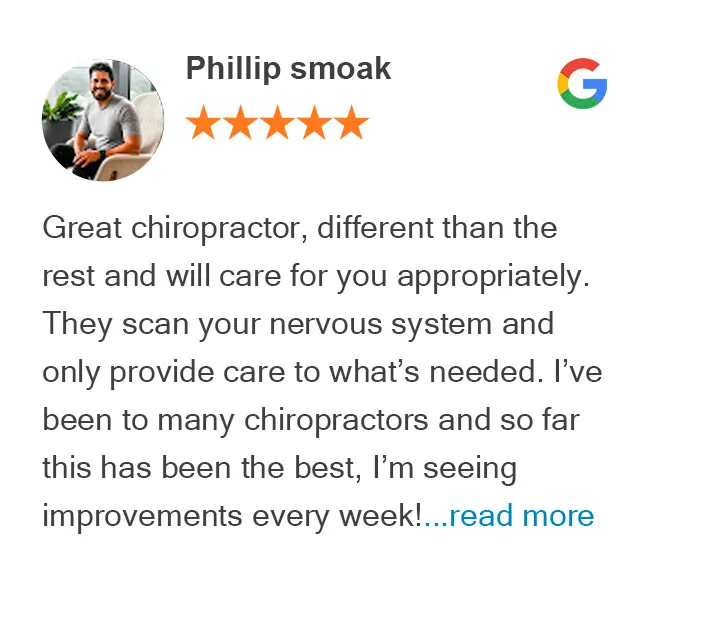
Pediatric Chiropractic Patient Testimonials & Reviews







Doctor Experience in Treating Pediatric & Childhood Conditions
At Graceful Pompano Beach Chiropractic, pediatric chiropractic care is provided by Dr. Michael Cohen, Dr. Julia Sopira, and Dr. Susan Lee, all of whom have extensive, hands-on experience treating newborns, infants, children, and teens. The team regularly evaluates babies just days old and supports children through every stage of growth using extremely gentle, neurologically focused techniques designed for developing nervous systems.
They commonly work with families facing feeding and latching difficulties, colic, sleep disruption, posture and movement challenges, sensory regulation concerns, and developmental stress patterns. Care is always individualized, non-invasive, and adapted to each child’s age, size, and comfort
Parents are supported through clear education, transparent explanations, and collaboration with pediatricians, lactation consultants, and other providers when appropriate—so families feel informed, confident, and heard from the very first visit.
Book an Appointment With Your Local Pediatric Chiropractor
If you’re wondering whether pediatric chiropractic care may support your child, the first step is simply a conversation.
Please use the booking tool below to book an appointment or by calling us on (561) 264-7010
Pediatric Chiropractic Patient FAQs
Is chiropractic care safe for babies and children?
When provided by trained pediatric chiropractors, care uses extremely gentle pressure. Reported side effects in studies are typically mild and temporary.
At what age can a child see a pediatric chiropractor?
Children can be evaluated from newborn stages through adolescence, with techniques adapted to age and size.
Can chiropractic care help with colic, reflux, or excessive crying?
Some small studies suggest benefit, but research is limited. Care focuses on comfort and nervous system support, not guaranteed outcomes.
Does pediatric chiropractic care help with sleep and behavior issues?
Some parents notice improvements, though results vary. Chiropractic supports nervous system regulation, which may influence sleep and behavior.
What techniques are used in pediatric chiropractic care?
Low-force, neurologically focused techniques using fingertip pressure or gentle instruments—no cracking or twisting.
How often should my child see a chiropractor?
Frequency depends on the child’s needs and response. Recommendations are reviewed regularly with parents.
Do children need X-rays or imaging before chiropractic care?
Imaging is not routine and only used when clinically necessary.
Is pediatric chiropractic care painful or uncomfortable?
No. Most children remain calm, relaxed, or asleep during care.
Chiropractic Care for Infant Feeding & Latching Difficulties
Gentle care may help address neck and jaw tension that can affect feeding mechanics, alongside lactation support.
Can chiropractic care support developmental milestones?
By supporting movement and nervous system function, care may help children move more freely as they grow.
Pediatric Chiropractic Care for Growth, Posture & Nervous System Development
As kids grow, chiropractic care can help support posture, balance, coordination, and nervous system adaptability through different stages.
Content Reviewed by